
- abril 8, 2026
- Posted by: Jose Roberto Garzón
- Categoría: Uncategorized
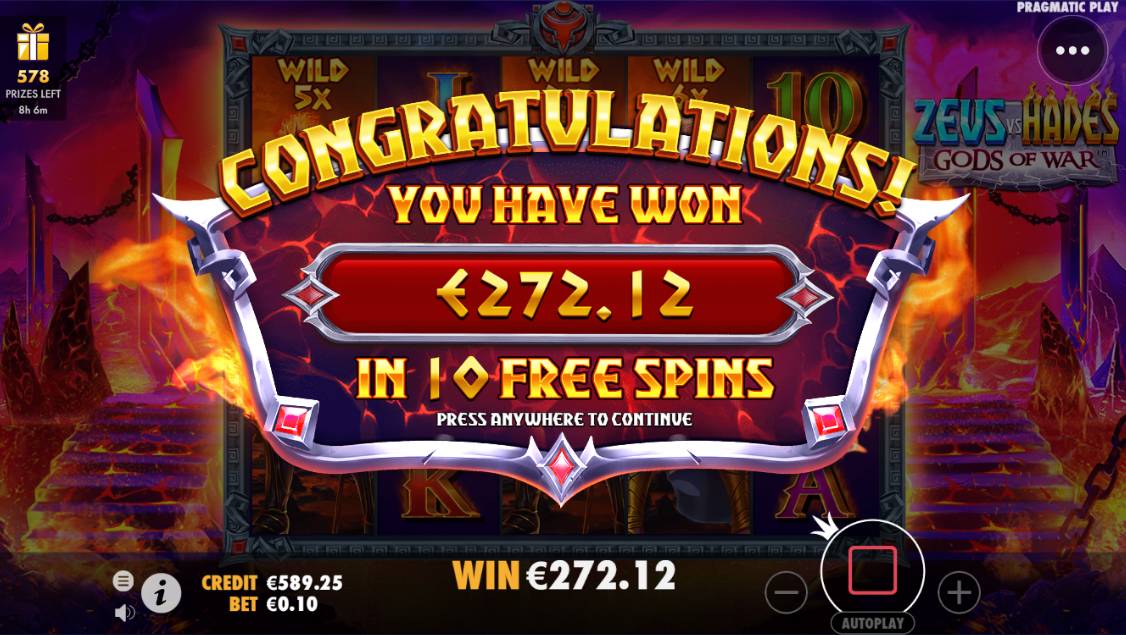
RTP (RTP) is a critical metric for players playing slot games in the UK. It provides insight into the expected long-term returns of specific games, such as Zeus and Hades. While the RTP for Zeus stands at 95.02%, Hades presents a slightly lower figure of 94.86%. This difference, though minor, may markedly influence player strategies and satisfaction. Understanding these subtleties can mold one’s strategy for gameplay—and the consequences are worth exploring.
Key Takeaways
- RTP (Return to Player) indicates the anticipated return percentage of wagered money in slot games, affecting player choices in Zeus and Hades.
- Zeus slot has a higher RTP of around 95.02%, compared to Hades’ 94.86%, indicating greater long-term returns for players.
- Players often select slots based on RTP to improve potential winnings and modify betting strategies for best results.
- Understanding RTP can help control expectations, reduce impulsive behaviors, and encourage informed gameplay choices for both slots.
- Balancing RTP with personal risk tolerance improves players’ engagement and satisfaction in games like Zeus and Hades.
Impact of RTP on Gameplay Experience
Understanding RTP can greatly enrich a player’s gameplay experience, as it provides insights into the expected return on their wagers over time. By grasping the RTP percentage linked to Zeus and Hades slots, players can make educated decisions about which game aligns better with their risk tolerance and financial strategy. A higher RTP often implies that players may expect more favorable returns, making it enticing for those seeking consistency in their gameplay.
Additionally, awareness of RTP affects the cognitive components of gaming. Players with a thorough comprehension of prospective returns can maintain authority over their approaches, managing expectations and minimizing impulsive behavior.
As players strive to enhance their satisfaction, acknowledging that RTP is not only a number but a leading metric also leads to a more targeted and calculated strategy to gameplay. Ultimately, this understanding enables players, improving their total experience while traversing through the thrilling worlds of the Zeus and Hades slots.
Comparing RTP of Zeus and Hades Slots
While both the Zeus and Hades slots attract players in with their enthralling themes and engaging gameplay, their RTP values present distinct factors that can affect a player’s choice.
The Zeus slot typically offers a Return to Player (RTP) percentage close to 95.02%, providing a fair opportunity for return on investment.
In contrast, the Hades slot offers a somewhat varying RTP of around 94.86%. While this difference may appear minimal, it can affect long-term outcomes for players making calculated decisions.
For those adjusting their betting strategies or handling bankrolls, RTP figures serve as vital data points.
Players who value higher RTP might find Zeus more enticing, while others may choose the unique features of Hades regardless of its somewhat lower RTP.
Understanding these values empowers players to make educated choices, ultimately boosting their control over the gambling experience.
Such analysis is crucial in the cutthroat landscape of UK slot gaming.
Strategies for Maximizing RTP Benefits
To maximize the advantages of RTP, players should embrace a tactical approach that prioritizes knowledgeable judgments and bankroll management. Grasping the RTP rate of preferred games, such as Zeus or Hades, is vital. Players should prefer slots with greater RTP rates, as these provide superior long-term returns.
Establishing a financial plan before gameplay assists players maintain command over their spending. By defining loss boundaries, participants can protect their bankroll and stop hasty actions.
Additionally, players should capitalize on bonuses and promotions that enhance their bankroll without further hazard. Participating in gameplay during non-peak hours may result to a more beneficial atmosphere for winning due to decreased contestation.
It is also suggested to occasionally examine gameplay outcomes, refining strategies based on outcomes. Through disciplined strategies and educated decisions, players can significantly amplify their RTP benefits while relishing the experience of Zeus vs. Hades slot play.
What Is Return to Player (RTP)?
Return to Player (RTP) represents a fundamental concept in the domain of gaming, representing the percentage of bet money that a slot machine or game is designed to return to players over time. Essentially, it serves as a key indicator of a player’s expected return during gameplay, directly influencing their decision-making process. A higher RTP indicates that players can expect a greater share of their bets returned, therefore offering a sense of control over potential outcomes.
For those who are inclined toward strategic choices, understanding RTP can effectively guide betting practices. A player can compare various games’ RTP rates to make informed selections, potentially optimizing their gaming experience.
Final Thoughts on RTP in Slot Selection
RTP has a crucial role in the decision process when choosing slot games. Players who focus on Return to Player percentages obtain a substantial advantage, enabling them to make informed choices that correspond with their gaming objectives. By concentrating on games with elevated RTP values, players boost their likelihood of favorable outcomes, thereby improving their entire experience.
It is essential for players to assess not only the RTP but also the volatility of the slot games, as these elements combine to influence potential returns. Balancing RTP with personal risk tolerance will enable players to interact with games that fit their financial strategies.
Ultimately, understanding RTP allows for a strategic approach in choosing between games like Zeus and Hades. By utilizing this insight, players can exert more control over their gameplay, ultimately leading to a more satisfying and potentially profitable gaming experience.
Informed choices are the cornerstone of successful slot play.
Frequently Asked Questions
How Is RTP Calculated for Slot Games?
RTP, or Return to Player, is determined by determining the total amount wagered on a slot game relative to the total amount returned over time.
This analytical method considers millions of spins to guarantee accuracy. Through this comprehensive analysis, developers calculate a percentage that indicates what players can expect to win back.
Understanding this number empowers players, giving them the insight to make educated decisions about their gaming experiences.
Can RTP Change Over Time for a Slot?
Yes, the Return to Player (RTP) percentage for a slot game can vary over time, depending on various elements.
Game developers may modify the RTP to improve player experience or in reaction to market conditions and compliance requirements.
However, such alterations usually occur seldom and are generally communicated transparently to players.
Hence, it is vital for players to stay informed about these modifications to retain control over their gaming experience.
What Does a High RTP Indicate?
A high RTP, or Return to Player percentage, indicates a greater chance of returning funds to players over time, compared with lower RTP games that might yield less advantageous outcomes.
This promise of potential winnings can enable players, providing them a sense of control over their gaming experience. As a result, they may select games with increased RTPs, considering them as more reliable choices in the ever-unpredictable world of slot machines.
Is RTP the Same as Volatility?
RTP and volatility are not the same; they serve different roles in gaming analysis.
RTP, or Return to Player, indicates the percentage of wagered money a game is anticipated to return over time, while volatility relates to the risk associated with a game’s payouts.
High volatility games may offer significant payouts but less common wins, while low volatility games provide more regular, smaller wins, potentially affecting a player’s strategy and experience.
How Can I Find a Game’s RTP?
To find a game’s Return to Player (RTP), one can usually check the game’s rules or information section, often available within the game itself.
This information might also be accessible on the casino website or in a game’s promotional materials.
For the most comprehensive details, reliable gaming review sites often list RTP percentages for various games, offering a clear understanding of potential returns and aiding players make informed decisions about their gameplay.